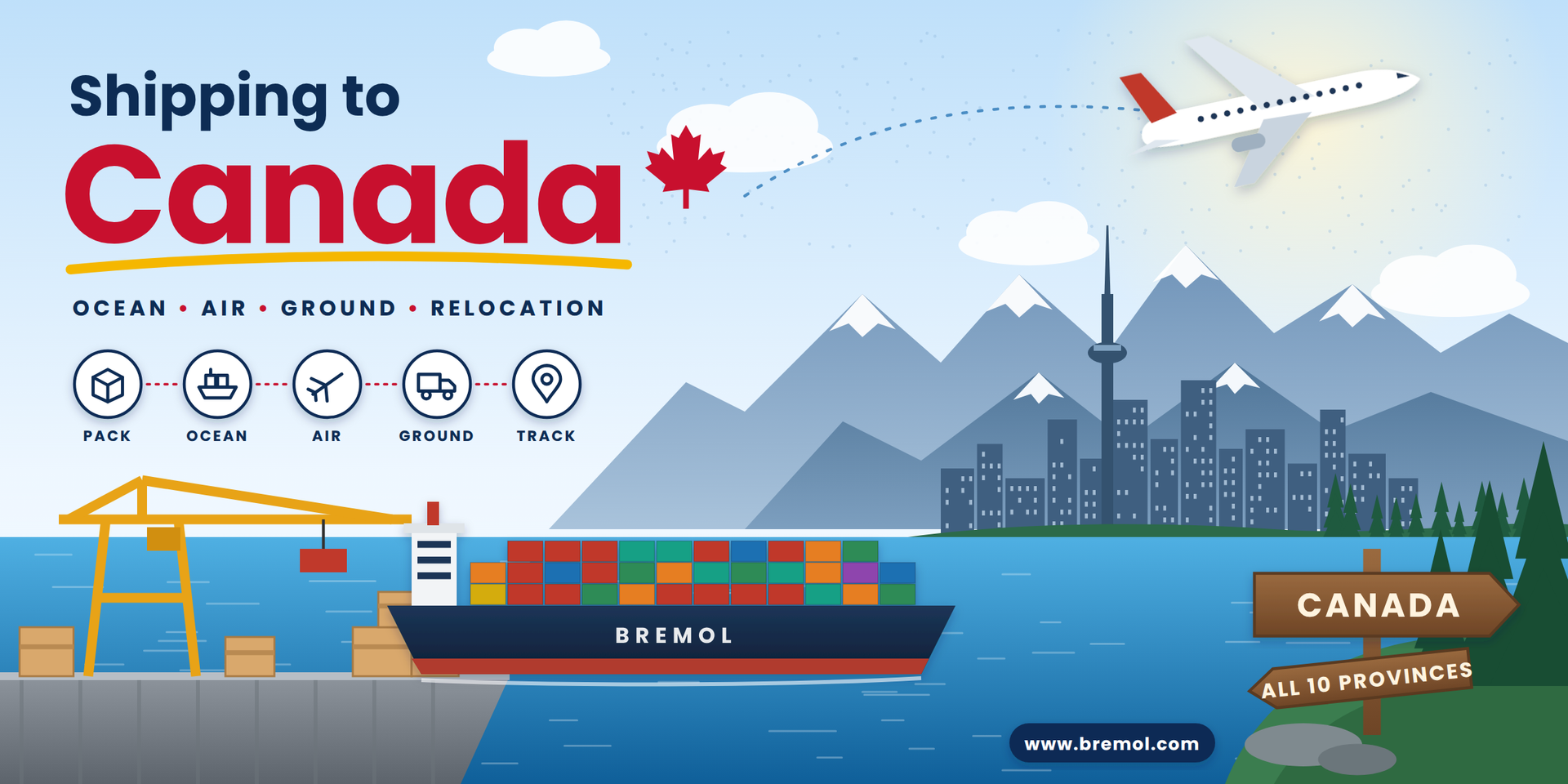
Shipping a Household to Canada: The Customs and Freight Guide for 2026
What CBSA actually requires before your container sails — and where duty survives the exemption
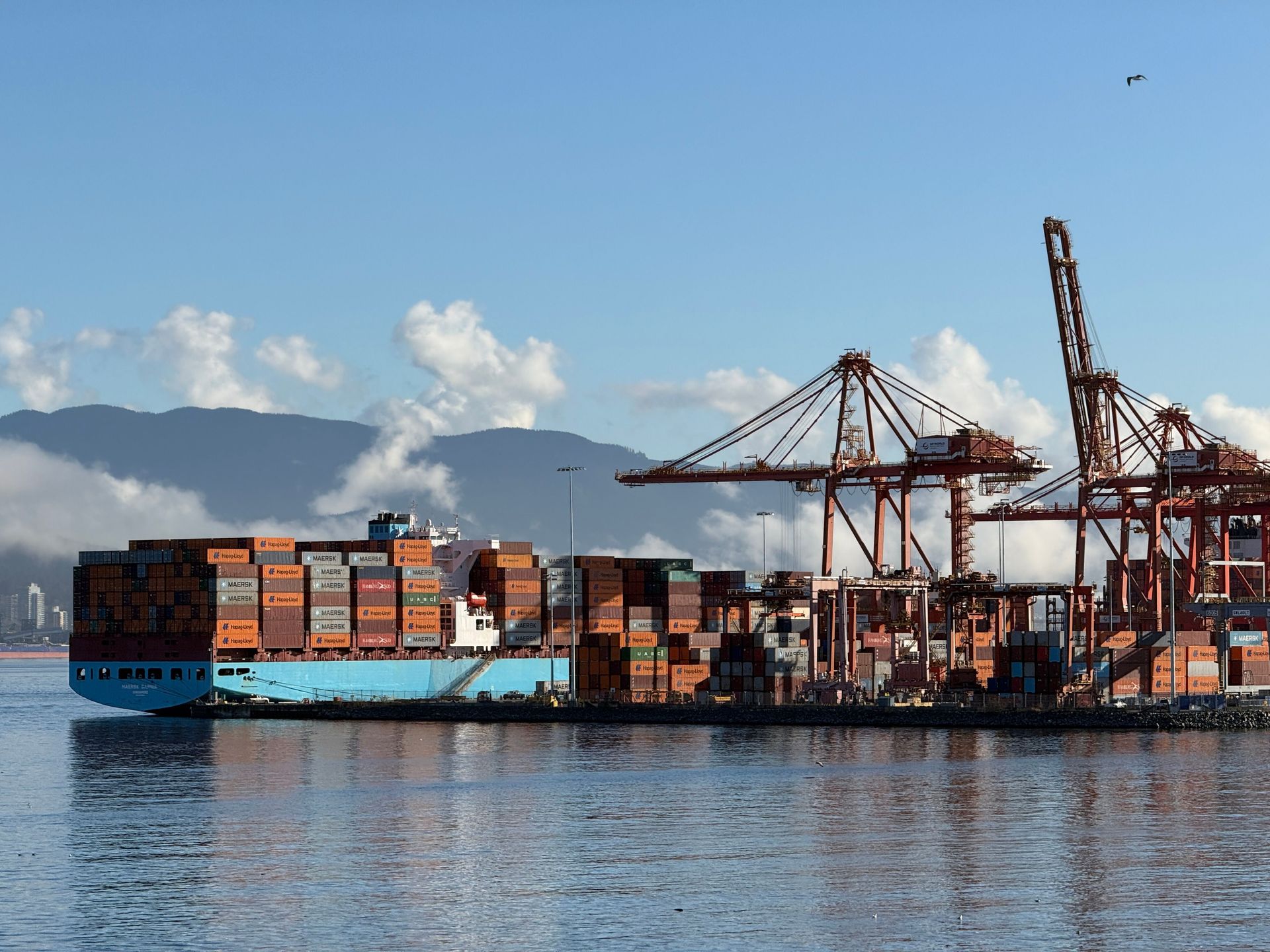
A household shipment entering Canada usually clears free of duty and tax — but the entitlement is earned through documentation prepared before departure, not through anything that happens at the port. The Canada Border Services Agency (CBSA) assesses two questions: what residency category you fall into on the day you arrive, and whether each item was declared on a list submitted at your first point of entry. An item missing from that list loses its exemption permanently, regardless of how long you owned it.
The short version
Two categories qualify for duty-free entry. Settlers are establishing a first residence in Canada for a year or more. Former residents are returning after a year or more abroad. Both account for their goods on Form BSF186, the Personal Effects Accounting Document, with Form BSF186A used as a continuation sheet where the inventory runs long.
The declaration is made in person, at your first point of arrival in Canada, before the shipment lands. Four tariff items cover almost every move:
9807.00.00 for settlers,
9805.00.00 for former residents,
9806.00.00 for bequests, and
9829.00.00 for seasonal residents. Former residents — but not settlers — face a
CAN$10,000 ceiling on any single item. And anything sold, gifted, or commercially diverted within
twelve months of import brings the waived duty and tax back into charge.
That gap between logistics and paperwork is where most problems originate. The freight itself rarely derails "global relocations to Canada" — vessels sail, containers arrive — but by a list that was incomplete or a form that was never completed at the border. What follows sets out what CBSA requires, where duty survives the exemption, and how to sequence the move so the two sides line up.
Who qualifies for duty-free entry when moving to Canada?
Two categories qualify: settlers and former residents. A settler is entering Canada to establish a residence for the first time, for one year or more. A former resident is returning to resume residence after a continuous absence of one year or more, or after being resident in another country for a year or more.
CBSA measures “one year” as one calendar year from your date of departure. Leaving on 1 January 2025 and arriving on 1 January 2026 counts as a full year’s absence. Return sooner and the ordinary traveller allowances apply instead, which are far narrower and will not cover a household shipment.
The categories are not interchangeable, and the difference has a direct financial consequence. Former residents face a value ceiling that settlers do not, while settlers face a stricter reading of the ownership test. Establishing which one applies to you is the first decision in the process, not an administrative detail to resolve later.
Which tariff item covers your shipment?
Four tariff items cover almost every personal move. The majority of global relocations to Canada fall under 9807.00.00 for settlers or 9805.00.00 for former residents. Bequests and seasonal residences are handled separately.
Tariff item 9807.00.00 applies to settlers establishing a residence in Canada for the first time, and is governed by Memorandum D2-2-1. Tariff item 9805.00.00 covers former residents returning to resume residence, under Memorandum D2-3-2. Tariff item 9806.00.00 handles goods received as a bequest, under Memorandum D2-1-5. Tariff item 9829.00.00 covers seasonal residents’ effects, under Memorandum D2-2-3.
The ownership tests diverge between the first two. A settler must have owned, possessed, and used the goods abroad before arriving in Canada. A former resident must satisfy the same three conditions for at least six months before returning — although that six-month requirement is waived entirely for anyone who has lived abroad for five years or more.
Leased goods never qualify. CBSA does not treat a lessee as an owner, so leased furniture, vehicles and equipment attract full duty and taxes however long they have been in your possession. Bills of sale and registration documents are the evidence that satisfies the ownership test; lease agreements defeat it.
What is Form BSF186 and why does it decide the outcome?
Form BSF186, the Personal Effects Accounting Document, is the record that establishes your duty-free entitlement. A border services officer completes it from your inventory at your first point of arrival, assigns a file number, and issues you a copy. You present that copy to release your unaccompanied shipment when it lands.
Three procedural points determine whether the form does its job.
You must declare in person, even with nothing in hand
The declaration is made at your first point of entry into Canada, in person, whether or not any goods are with you that day. This is the single most common failure in a household move: the traveller assumes the declaration happens when the container arrives. It does not. The entitlement is created at the border on arrival day and drawn down afterwards.
You can complete the form before you travel.
CBSA permits Form BSF186 to be completed in advance, which shortens processing at the border considerably and reduces the chance of items being omitted under time pressure at a counter.
Long inventories use Form BSF186A.
Where the list of goods runs beyond the space on the main form, Form BSF186A serves as the continuation sheet. A full household inventory will almost always need it.
Why the goods-to-follow list sets your duty bill
Goods arriving after you only qualify for duty-free treatment if they appeared on your original list. There is no mechanism to add items retrospectively.
Before departure, prepare two copies of an inventory covering everything you intend to bring, showing value, make, model and serial number where applicable. Divide it into two sections: goods travelling with you, and goods to follow.
The second section carries the risk. A dining set omitted from that list does not become eligible later because the intention was always to ship it. Among global relocations to Canada, treating the inventory as a formality rather than as the instrument that fixes the entitlement is the error with the highest cost — and it is entirely avoidable.
Describing jewellery so it survives scrutiny
Jewellery is difficult to describe with enough precision to be identifiable. CBSA recommends using the wording from your insurance policy or a jeweller’s appraisal, supported by photographs dated and signed by a jeweller or gemologist. The same documentation protects you later, if you leave Canada with the pieces and re-enter.
What crosses the border duty-free?
Personal and household effects owned, possessed and used abroad qualify, provided they appear on your declared inventory.
The eligible categories include:
• Clothing, linen, furniture, furnishings and appliances
• Silverware, jewellery, antiques and family heirlooms
• Private collections of coins, stamps and art
• Personal computers, books, musical instruments and hobby tools
• Personal vehicles, motor homes and private aircraft
• Pleasure boats and the trailers that carry them
• Utility trailers and mobile trailers up to 2.6 metres (9 feet) wide
• Tool sheds and garages not attached to a dwelling
A separate CAN$800 personal exemption applies to goods acquired abroad or in transit. Those do not need to have been owned or used before arrival, which makes it useful for purchases made in the final weeks of a move.
Where duty and GST still apply
The CAN$10,000 ceiling — former residents only
Any single item valued above CAN$10,000 on the date of import attracts duty and taxes on the excess above that figure. It applies to goods acquired after 31 March 1977, and in practice it surfaces on a vehicle, a piece of art or a high-value instrument. Settlers entering Canada for the first time are not subject to this ceiling at all — an asymmetry that catches out a meaningful proportion of global relocations to Canada, because the two categories are routinely discussed as though they were one.
Property and commercial goods
A house, a large trailer used as a residence, and anything used or intended for commercial purposes fall outside the definition of personal and household effects. These face regular duty and taxes. Goods a donor used in connection with a business are excluded on the same basis.
The twelve-month clawback
Goods imported duty- and tax-free, or with the benefit of the CAN$10,000 reduction, carry a one-year holding condition. Sell them, give them away, or divert them to commercial use within twelve months of importation and the duty and taxes originally waived become payable. This is a real liability, not a technicality, and it should inform decisions about shipping items you may not keep.
Does CARM apply to a household move?
No. The CBSA Assessment and Revenue Management system (CARM) is the system of record for commercial imports. Personal effects moving under tariff items 9807.00.00 or 9805.00.00 are casual importations, governed by Memorandum D17-1-3, and are accounted for on Form BSF186 — not through a CARM Client Portal account.
This distinction generates a surprising amount of confusion, because CARM registration became mandatory for commercial importers and the messaging around it reached a much wider audience than intended. If you are moving a household, you do not need a business number, an import-export (RM) programme account, or a Commercial Accounting Declaration.
Where the line blurs: if your shipment includes goods intended for a business — inventory, professional equipment for resale, commercial tooling — those items fall outside the personal effects entitlement and are handled commercially. Mixed shipments should be identified and split before the container is loaded, not discovered at the border.
What does it take to import a vehicle?
A vehicle must clear two independent gates: the CBSA customs entitlement and Transport Canada’s admissibility requirements. Qualifying for duty-free entry as a household effect does not make a vehicle roadworthy in Canadian law, and a car can pass the first test while failing the second.
Vehicles imported from the United States are processed through the Registrar of Imported Vehicles (RIV) programme. Three conditions govern admissibility:
- Original certification. The vehicle must have been designed and certified at the time of main assembly to the US Federal Motor Vehicle Safety Standards (FMVSS).
- No outstanding recalls. Any unresolved manufacturer safety recall blocks import until it has been closed out.
- Post-import modification and inspection. Required modifications must be completed to satisfy the Motor Vehicle Safety Regulations, and the vehicle must be inspected at an RIV-authorised inspection centre in Canada before a provincial or territorial authority will register it.
Transport Canada publishes a Vehicle Import Compatibility (VIC) List, compiled from information supplied voluntarily by manufacturers, to indicate whether a specific model is admissible. Checking it before shipping — rather than after the vehicle is on the water — is the difference between a routine import and an expensive return. Memorandum D19-12-1 sets out the CBSA side of the process, and the RIV programme is funded through user fees charged to importers rather than by government appropriation.
What does Canada restrict or prohibit outright?
Several categories will not clear regardless of your entitlement, and a few of them regularly appear in household shipments:
• Used or second-hand mattresses — prohibited unless accompanied by certification that they have been cleaned and fumigated
• Goods contaminated with soil — garden tools, lawn equipment and outdoor furniture must be cleaned before loading
• Firewood — prohibited
• Food, plants, animals and related products — controlled, with species-specific requirements
• Firearms, weapons, explosives, fireworks and ammunition — controlled or prohibited
• Health products and prescription drugs; cultural property; obscene material
• Currency and monetary instruments above reporting thresholds
Soil contamination is the one that most often produces a surprise. A lawnmower or a set of terracotta pots packed straight from a garden can hold up a container, and the remedy is inexpensive if handled before loading and disproportionately costly afterwards.
How do currency restrictions change the rules?
If you are emigrating from a country that restricts currency exports, you may have up to three years to import goods purchased with blocked funds — and the ownership, possession and use requirements are waived for those goods.
The provision exists because some emigrants physically cannot move their money, and the relief recognises that. To claim it, you must satisfy CBSA at the time of importation that the restrictions existed and that they prevented you from exporting your currency at the point of emigration. Memorandum D2-2-2 governs the process. It applies to those establishing a first residence in Canada, not to former residents.
Ocean or air: how should the shipment travel?
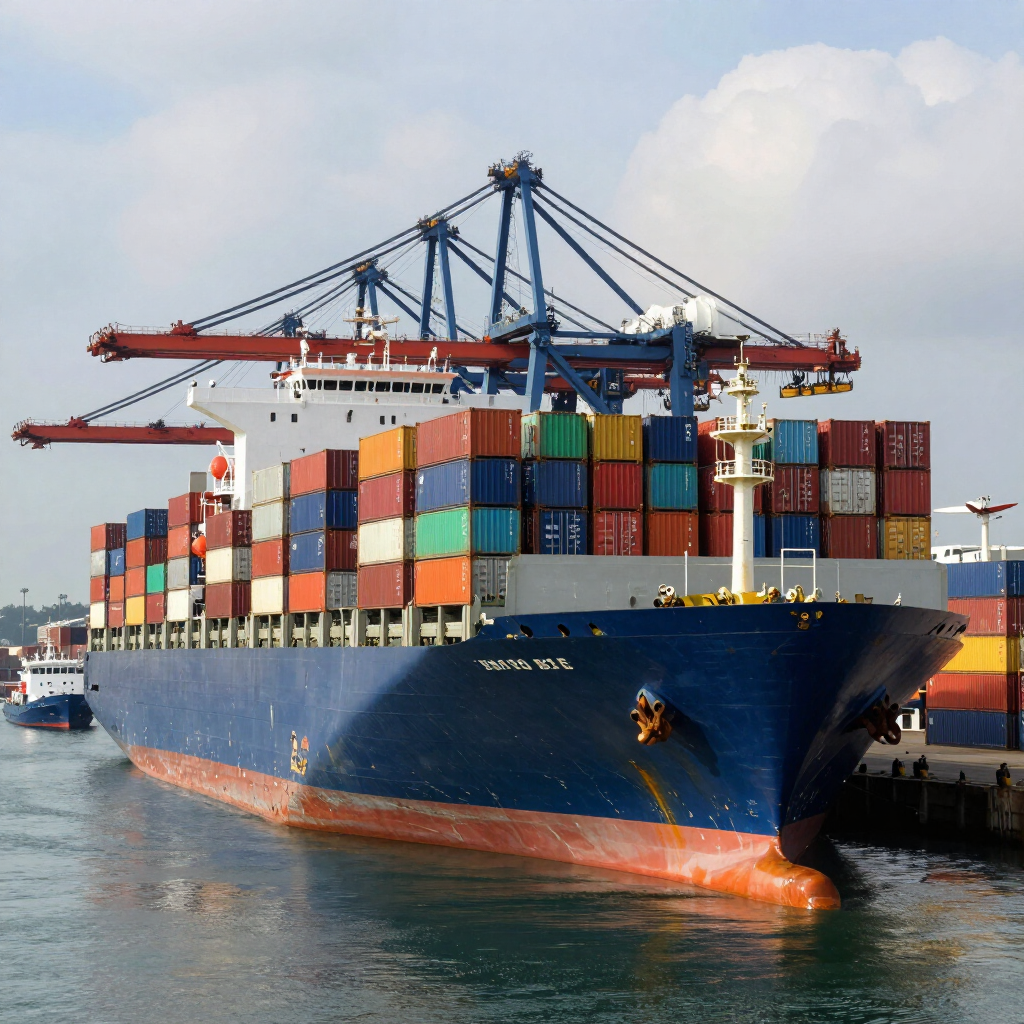
Ocean freight suits full households; air freight suits a small, urgent subset. For most moves, the practical configuration is a 20ft or 40ft container for the bulk, with a small air shipment covering what is needed in the first fortnight.
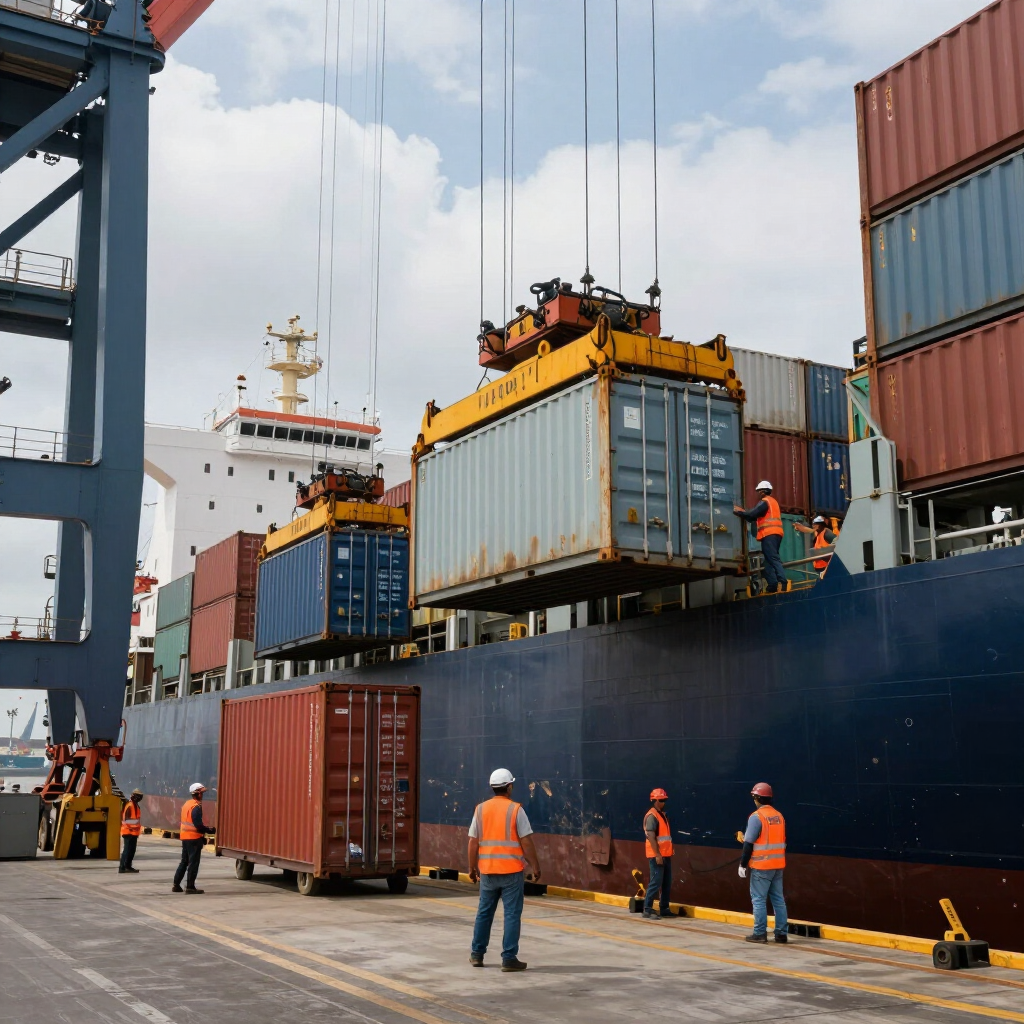
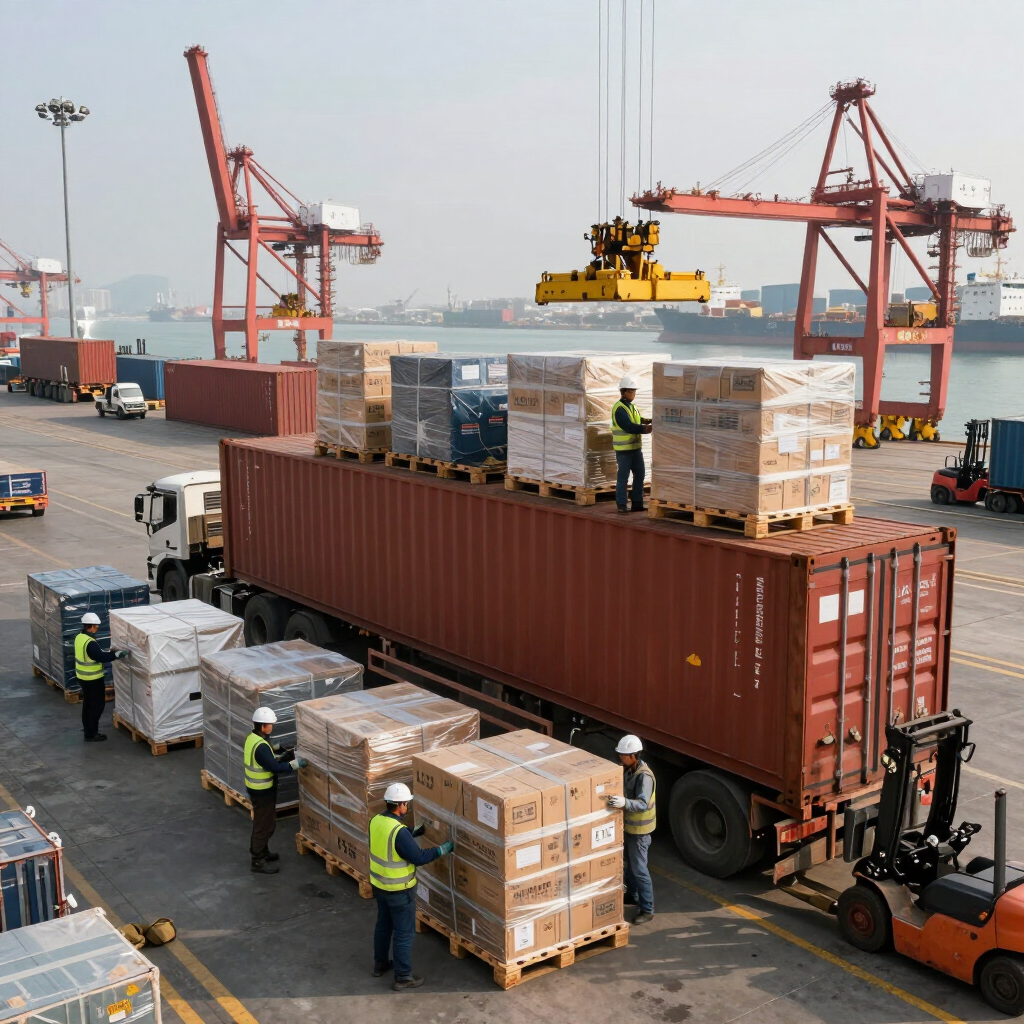
Full container load (FCL) — a 20ft or 40ft unit used exclusively for your shipment — suits a complete household. Port handling is faster because there is no consolidation step at either end. Less than container load (LCL) shares space with other consignments and costs less, which makes it the right choice for a one- or two-room move; the trade-off is that consolidation at origin and deconsolidation at destination add transit time. Air freight is fastest, and by far the most expensive per kilogram, so it earns its place for documents, essentials, and high-value items rather than furniture.
Because global relocations to Canada rely on an entitlement created at the border rather than at the port, the sailing schedule should sit behind your travel date, not ahead of it. Arrive first, complete Form BSF186, then let the container follow against it. Reversing that order is what produces storage charges at destination while a shipment waits for a declaration that has not yet been made.
A working sequence for the move
- Confirm your category — settler or former resident — and identify the tariff item that applies.
- Build the inventory with values, makes, models, and serial numbers, split into accompanying goods and goods to follow.
- Screen for restricted items — mattresses, soil-contaminated equipment, firewood, controlled goods — and resolve them before packing.
- Check vehicle admissibility against the VIC List if a car is moving with you.
- Complete Form BSF186 in advance, with BSF186A attached if the inventory is long.
- Book the sailing so the container arrives after your entry date, not before.
- Declare in person at your first point of entry and collect your stamped copy with its file number.
- Release the shipment against that copy when it arrives at the destination port.
Frequently Asked Questions
Do I need to be in Canada before my shipment arrives?
Yes, in practical terms. The duty-free entitlement is created when you declare at your first point of entry, and Form BSF186 is completed. If the container arrives first, there is no accepted declaration against which to release it, and storage charges begin to accrue while the position is corrected.
What happens if I left an item off the goods-to-follow list?
It loses the duty- and tax-free entitlement. CBSA states plainly that goods arriving later qualify only if they were on the original list. There is no retrospective amendment, which is why the inventory should be built deliberately before departure rather than reconstructed from memory afterwards.
Can I import a car duty-free?
A personal vehicle is an eligible household effect, but two separate conditions apply. As a former resident, any value above CAN$10,000 attracts duty and taxes on the excess. Independently, the vehicle must satisfy Transport Canada admissibility — original FMVSS certification, no outstanding safety recalls, and an RIV inspection in Canada before provincial registration.
Are wedding gifts treated differently?
Yes. If you married within three months before arriving in Canada, or intend to marry within three months after, wedding gifts enter free of duty and taxes. You must have owned and possessed them before arrival, but the requirement to have used them is waived.
How long must I keep the goods before selling them?
Twelve months. Selling, gifting, or commercially diverting duty-free imported goods within a year of importation makes you liable for the duty and taxes originally exempted.
Do I need to register in CARM?
Not for a household move. CARM covers commercial imports. Personal effects are casual importations under Memorandum D17-1-3 and are accounted for on Form BSF186.
What if I am returning after less than a year abroad?
The settler and former resident provisions do not apply. You fall under the ordinary returning-resident allowances, which are considerably narrower and will not accommodate a household shipment on a duty-free basis.
Getting the sequence right
The customs side of a move to Canada takes longer to prepare properly than the freight side takes to execute, and it is the part that determines whether a shipment clears cleanly or generates an assessment nobody budgeted for. Work backwards from your arrival date: category first, inventory second, restricted-goods screening third, form completed in advance, sailing booked last.
Done in that order, a household move to Canada is a routine piece of freight. Done in reverse, it becomes a customs problem with a container attached to it.