Shipping to St. Vincent: The Complete 2026 Guide to Barrels, Customs & Costs
Barrel rules, real customs costs, and duty relief for Vincentians shipping home in 2026.
Quick answer
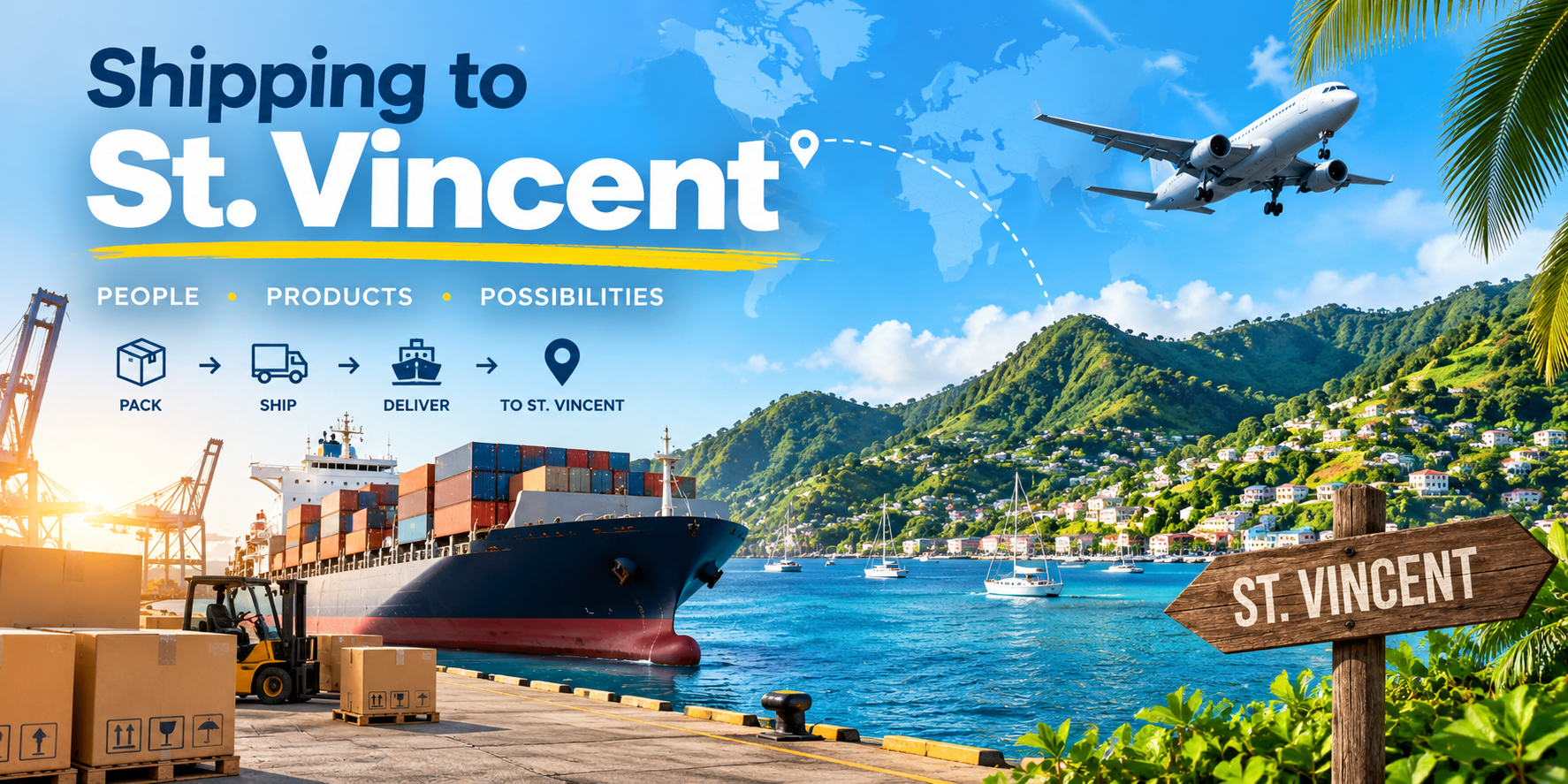
Shipping to St. Vincent typically means one of three things: a barrel of household goods, a full container, or an air shipment of time-sensitive items, sent from a US consolidation warehouse to Campden Park Container Port near Kingstown. Ocean freight takes about 2–4 weeks, air freight 3–5 business days. Most shipments owe 15% VAT plus a Customs Service Charge on arrival, though returning Vincentian nationals can qualify for a 75% waiver on duty, excise tax, and VAT under the Returning Nationals Programme.
Why shipping to St. Vincent still runs on the barrel
Ask anyone in the Vincentian diaspora how they send things home, and the answer is usually the same: a barrel. It's not a workaround or a budget option, it's the standard. Plastic or fibreboard barrels packed with everything from groceries and school supplies to appliances and clothing move through Miami and Fort Lauderdale warehouses by the thousands every month, especially ahea++d of Christmas, Vincy Mas (Carnival), and the start of the school year.
The tradition runs just as deep in St. Vincent as it does in Jamaica or Trinidad, but a full barrel isn't exempt from customs just because it's a family shipment rather than a commercial one. Every barrel still gets declared, inspected, and cleared the same way a pallet or container would. That's exactly why the shippers who plan for customs upfront get their goods released in days, while the ones who don't end up paying storage fees while paperwork gets sorted out.
Ocean vs. air freight to St. Vincent: which one do you need?
The right shipping method depends on what you're sending and how soon you need it there.
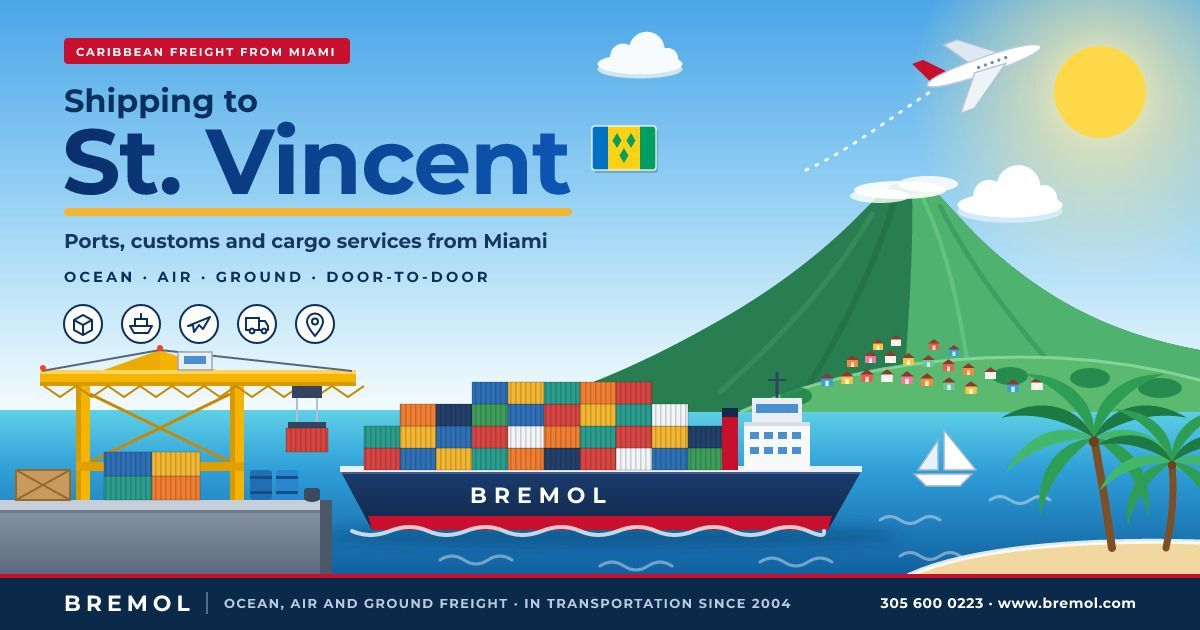
- Ocean freight (weekly sailings): the standard choice for barrels, full container loads, shared container space, vehicles, and machinery. Expect roughly 2–4 weeks transit depending on sailing schedule and customs clearance, with door-to-door delivery available on request.
- Air freight (daily service): built for documents, parcels, high-value goods, spare parts, and perishables that need cold-chain handling. Typical transit is 3–5 business days.
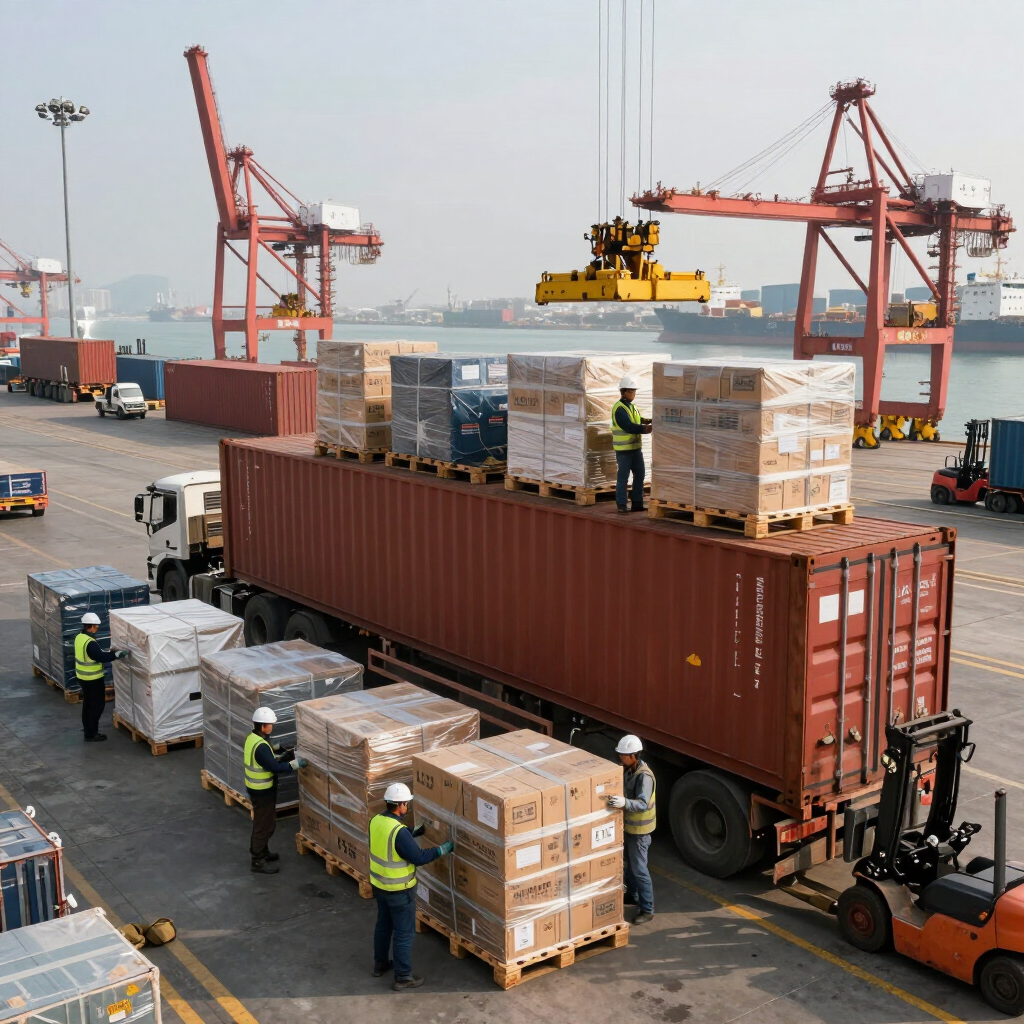
- Ground freight (daily pickups): covers the US leg for shipments consolidating at a Miami warehouse before their ocean or air departure, with customs documentation prepared as part of the pickup.
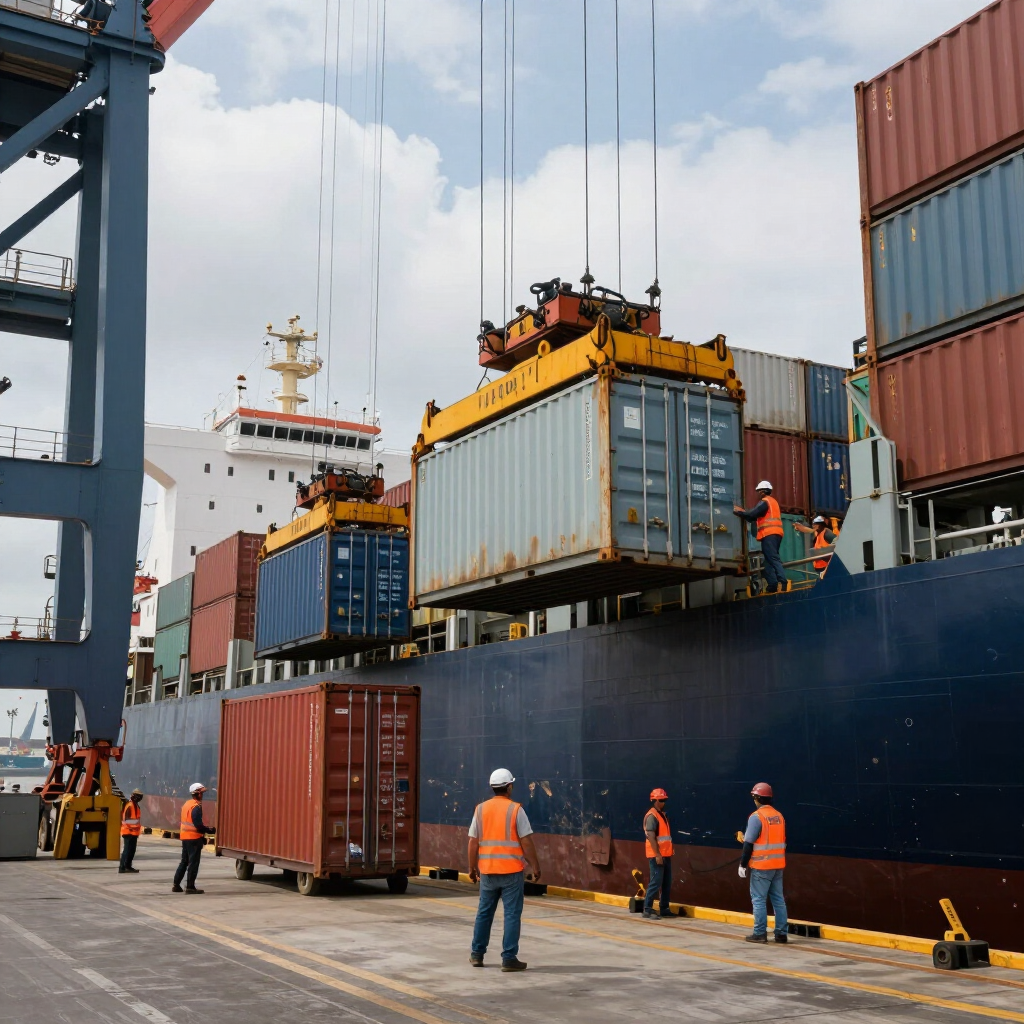
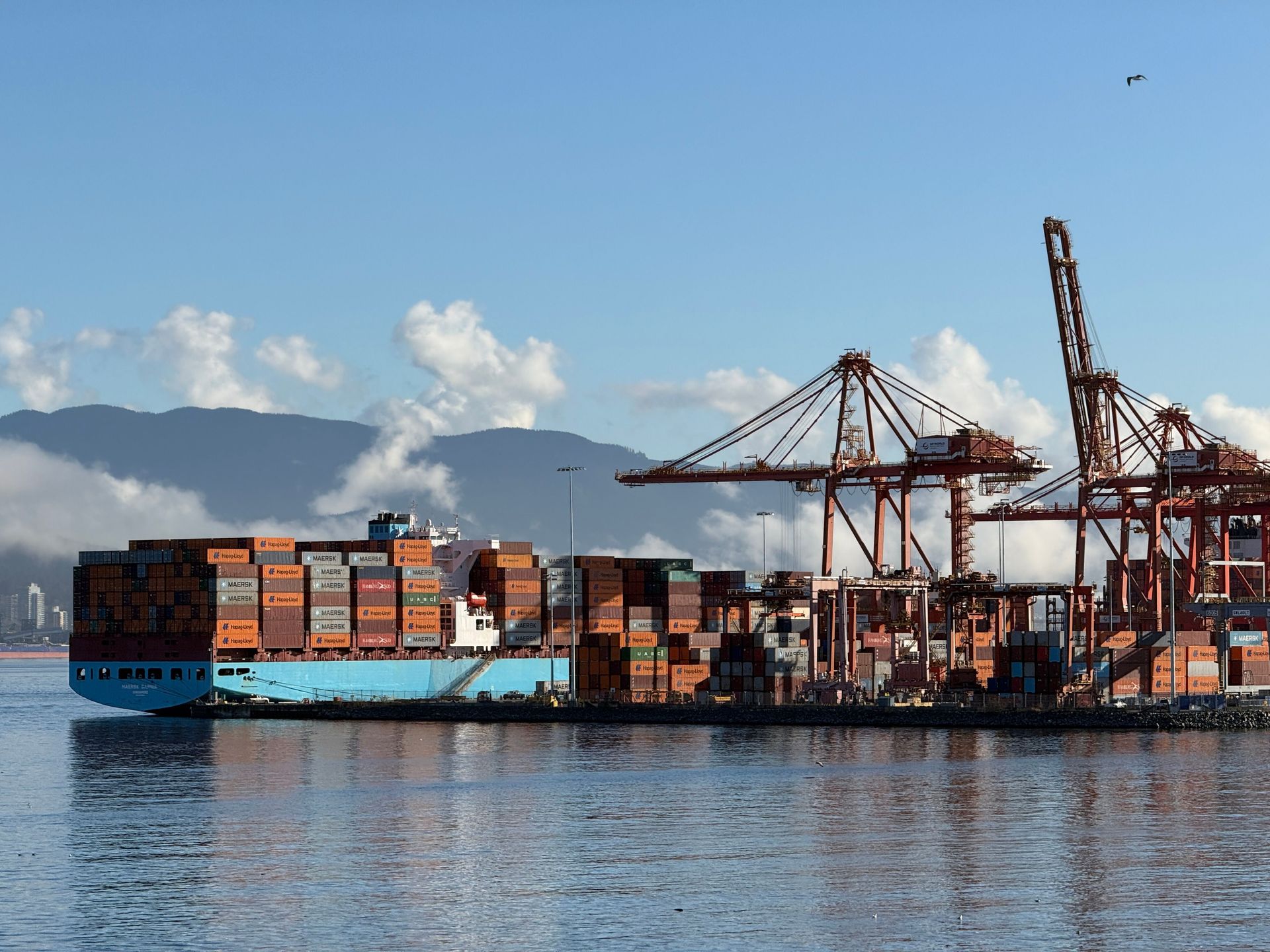
Shipments arrive through Campden Park Container Port, the main container terminal near Kingstown that handles the bulk of St. Vincent's imported cargo: food, fuel, vehicles, construction materials, and personal shipments alike.
Customs & duties: what you'll actually pay
This is the part most first-time shippers underestimate. St. Vincent and the Grenadines' Customs & Excise Department applies several charges on top of the shipping cost itself:
VAT: 15% on the taxable value of imported goods
Excise Tax: Applies to specific goods (alcohol, tobacco, petroleum, vehicles) at 35%, 40%, 45%, or 60%
Environmental Tax: Charged on vehicles over four years old, based on engine capacity
Customs Service Charge: Applied to all imports, including otherwise duty-free goods
Import Duty (vehicles): 0%, 5%, 10%, 20%, or 35% depending on vehicle type and specification
As of June 2026, the department processes entries through ASYCUDA World 4.4.0, a paperless system that, according to the Customs & Excise Department, cuts processing times, improves data accuracy, and adds transparency to the cargo clearance process. In practice, that means accurate, complete documentation submitted electronically clears faster than it did under the older system. That's one more reason an itemized, honestly valued packing list matters more than ever. Undervaluing a shipment is a well-known red flag to customs officers and typically triggers a manual inspection, which slows everything down.
The Returning Nationals Programme: duty relief for Vincentians coming home
If you're a Vincentian citizen by birth or descent who has lived abroad for at least 10 continuous years and is relocating back permanently, the Returning Nationals Programme is worth understanding before you ship anything.
Qualifying applicants receive a 75% waiver on Import Duty, Excise Tax, and VAT for household and personal effects, plus tools of trade, and one private-use motor vehicle per family (sedans, SUVs, and four-door pickups qualify; commercial vehicles don't). Vehicle surtax and the Customs Service Charge are still paid in full.
A few conditions matter here:
- You must apply in writing to the Comptroller of Customs with proof of Vincentian nationality, ten years' continuous residence abroad, and supporting documents (passport, proof of employment or pension, property or residency proof).
- Approval comes with a one-year window from your date of return to complete all imports. Extensions require Cabinet approval, so this isn't a deadline to treat casually.
- Imported goods can't be sold or commercially exchanged, and a vehicle brought in under the programme can't be sold within four years.
- The concession applies once per person, and leaving St. Vincent for more than three months after returning forfeits the exemption.
If you think you qualify, it's worth starting the application before you book your shipment, not after, since the waiver applies to goods imported under an approved application, not retroactively.
Documents you need before you ship
Whether you're sending a single barrel or a full container, customs clearance moves faster with the right paperwork ready in advance:
- Bill of Lading or Airway Bill: proof of shipment
- Commercial invoice and itemized packing list: list contents by category with honest values, not vague descriptions like "household goods"
- Passport or government ID copy: required for personal effects shipments
- Import license: only needed for specific restricted or regulated items
- ASYCUDA World customs declaration: filed electronically as part of the clearance process
- Returning Nationals approval letter: if applicable, this is what unlocks the 75% waiver
Choosing a shipping partner for St. Vincent
Barrel and household shipping to the Caribbean is a different service than general commercial freight, so it's worth confirming a provider actually specializes in it before you book. Look for:
- Barrel supply and Miami warehouse consolidation, so you're not sourcing barrels separately or paying for a half-empty container
- Online tracking from the moment your shipment is received at the warehouse through final delivery in St. Vincent
- Refrigerated container options for temperature-sensitive goods
- IMDG-compliant handling for any items classified as dangerous goods
- Multiple payment options, including installment plans, since barrel and container costs often land alongside other moving expenses
Bremol has operated in Caribbean freight since 2004 and ships to St. Vincent by ocean, air, and ground, with barrel supply and consolidation handled at its Miami facility. See Bremol's full St. Vincent shipping services for current options and to request a quote.
Frequently asked questions about shipping to St. Vincent
How long does shipping to St. Vincent take?
Ocean freight typically takes 2–4 weeks depending on sailing schedule and customs clearance, while air freight takes 3–5 business days. Customs clearance itself usually adds 1–5 days depending on whether a shipment is selected for inspection.
Do I have to pay duty on a barrel of personal items?
Yes, barrels are cleared through customs like any other cargo and are subject to VAT (15%) and a Customs Service Charge, unless the shipper qualifies for a specific exemption such as the Returning Nationals Programme.
What is the Returning Nationals Programme and do I qualify?
It's a duty relief programme for Vincentian citizens who have lived abroad for at least 10 continuous years and are returning permanently. Qualifying applicants get a 75% waiver on Import Duty, Excise Tax, and VAT for household effects and one private vehicle, with a one-year window to complete all imports after approval.
What port do shipments to St. Vincent arrive at?
Most cargo, including barrels and containers, arrives at Campden Park Container Port near Kingstown, the main container terminal for St. Vincent and the Grenadines.
Can I ship a vehicle to St. Vincent?
Yes. Vehicles are subject to import duty (0%–35% depending on type), excise tax, and, for vehicles over four years old, an environmental tax based on engine capacity. Returning nationals can include one qualifying private-use vehicle under the 75% waiver.
What documents do I need to ship a barrel to St. Vincent?
At minimum: a bill of lading or airway bill, an itemized packing list with accurate values, and a passport or ID copy. An ASYCUDA World declaration is filed as part of clearance, and a Returning Nationals approval letter should be included if claiming that exemption.
Ready to ship?
Shipping to St. Vincent runs smoothest when the paperwork is ready before the barrel is sealed. An accurate packing list and, where it applies, an approved Returning Nationals application do more to speed up clearance than anything else in the process.
Bremol ships barrels, containers, vehicles, and air cargo to St. Vincent from its Miami warehouse every week. Get a shipping quote for St. Vincent or call 305-600-0223 to check sailing schedules and barrel pricing.