Shipping to St. Vincent: A Complete Guide for First-Time Shippers
A Complete Guide to Shipping to St. Vincent — Barrels, Documents, and Delivery Timelines
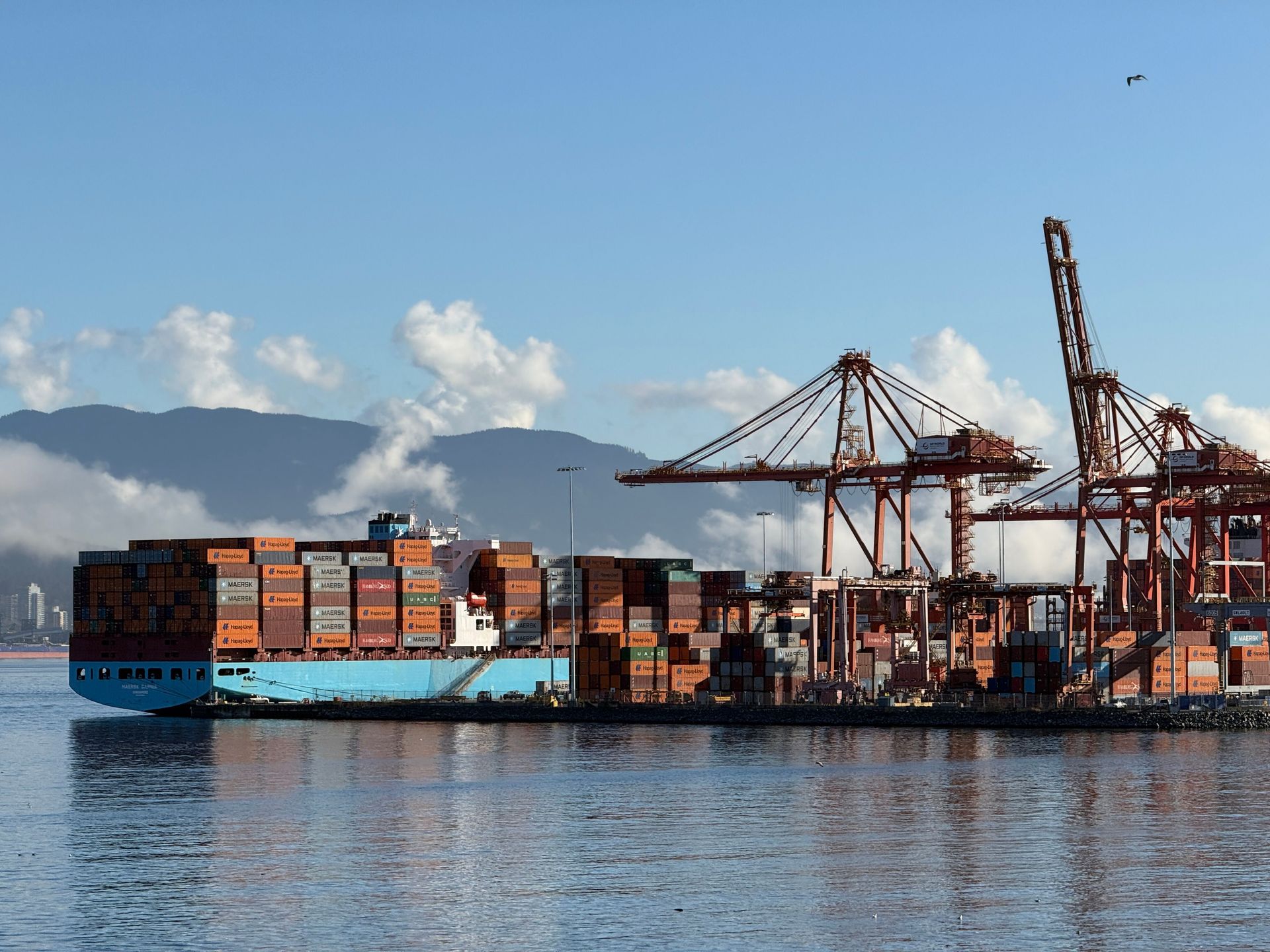
If you’re "shipping to St. Vincent" for the first time, here’s the short version: you have three main options (ocean, air, or a combination that starts with ground pickup); your cargo will clear customs through the Port of Kingstown; and the paperwork matters more than most people expect. Miss a document and a shipment that should take two weeks can sit at the port for an extra month.
Bremol has been moving freight out of Miami to St. Vincent and the wider Caribbean since 2004. We’re a longstanding member of the Federal Maritime Commission, and most of what we know about shipping to this island comes from doing it week after week, not from a textbook. This guide covers what actually matters: your shipping options, realistic timelines, what you can send, and how customs clearance at Kingstown actually works.
How long does shipping to St. Vincent actually take?
Air freight typically takes 3 to 5 business days once your shipment leaves Miami. Ocean freight generally takes 2 to 4 weeks, depending on the sailing schedule and how quickly your shipment clears customs on arrival.
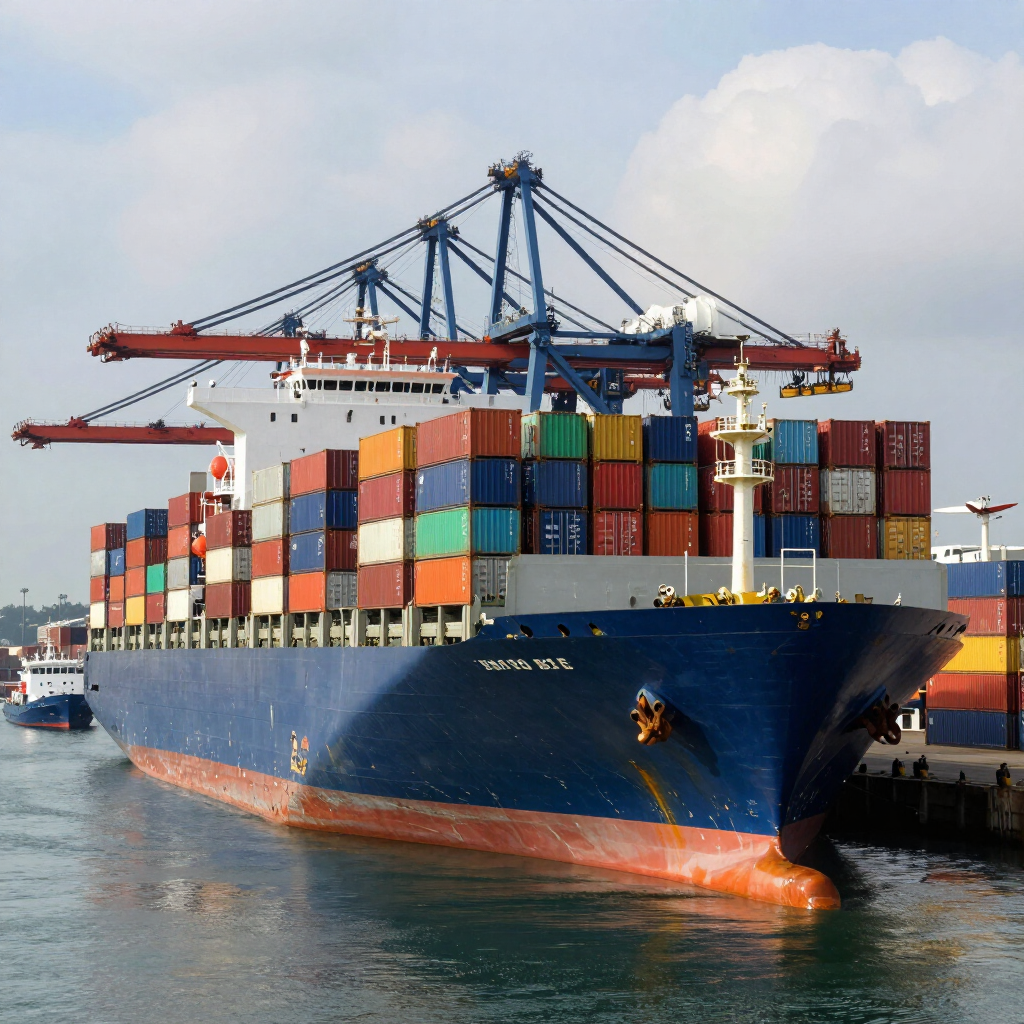
Ocean freight — weekly sailings, typically 2 to 4 weeks in transit. Best for barrels, household goods, and bulk cargo.
Air freight — daily departures, typically 3 to 5 business days. Best for urgent, high-value, or smaller shipments.
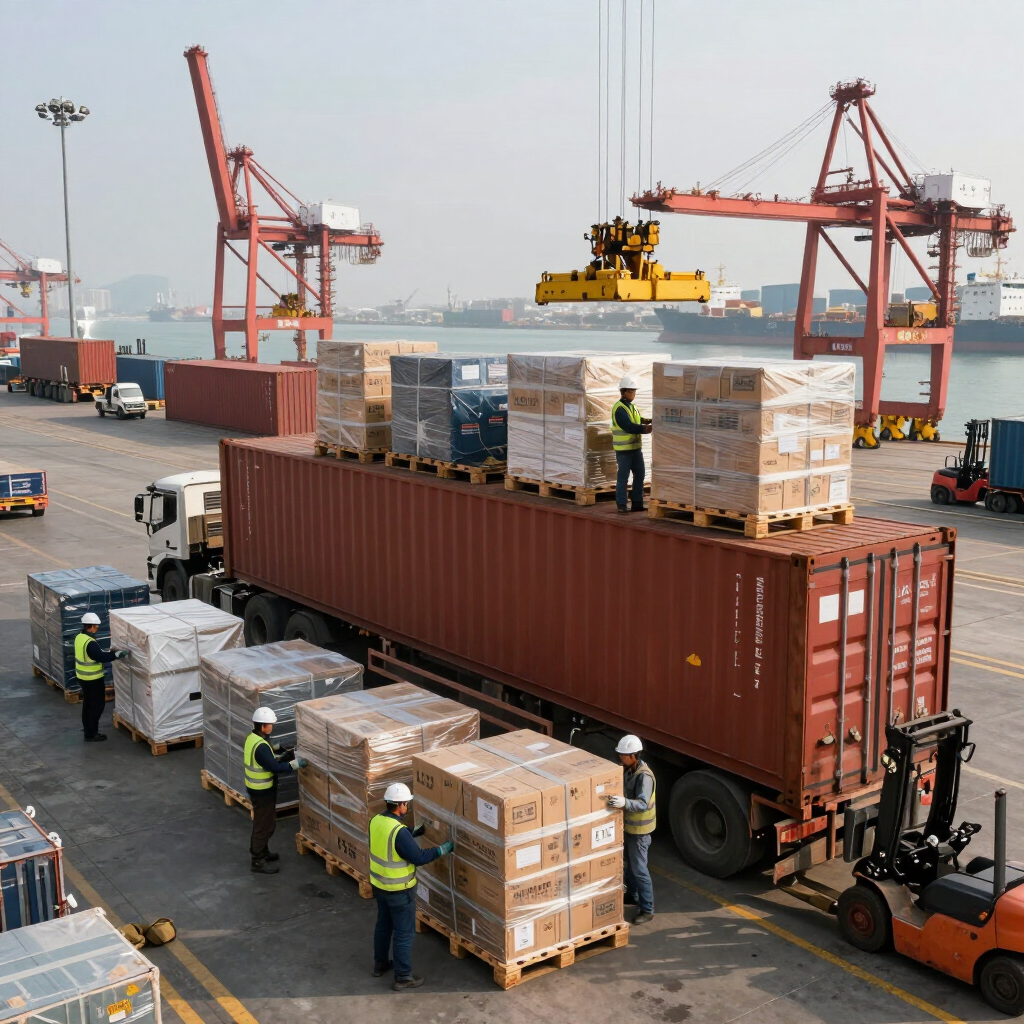
Ground pickup — daily, with timing that varies since it feeds into your ocean or air shipment. This is how cargo gets to our Miami warehouse before the international leg begins.
If you'd rather keep it as flowing paragraph text instead of a bulleted list, here's that version too:
Ocean freight sails weekly and typically takes 2 to 4 weeks, making it the best fit for barrels, household goods, and bulk cargo. Air freight moves daily and typically takes 3 to 5 business days, which makes sense for anything urgent, high-value, or smaller in size. Ground pickup also runs daily, though timing varies since it simply feeds cargo into the ocean or air shipment, getting it to our Miami warehouse before the international leg begins.
What can you actually ship to St. Vincent?
Barrels are the classic answer, and for good reason. If you have family or friends on the island, or you’re supplying a household there yourself, barrels packed with clothing, food, and household essentials are by far the most common shipment type going from the US to St. Vincent. Bremol supplies plastic and fibreboard barrels and can consolidate and repack cargo at our own facility before it ships, which matters if you’re combining several smaller items into one shipment.
Beyond barrels, common cargo includes:
- Household goods and furniture, for people relocating or returning residents setting up a home
- Personal effects like clothing, electronics, and everyday belongings
- Temperature-sensitive goods, using Bremol’s temperature-controlled trailers for anything that can’t handle standard transit conditions
- Hazardous materials, handled through our dedicated hazmat transportation service, which follows strict safety protocols from pickup to delivery
If you’re not sure whether something qualifies as hazardous or restricted, it’s worth asking before you ship rather than after your cargo is already at the port. Certain items are restricted or prohibited from entering St. Vincent, and the list isn’t always intuitive.
What happens when your shipment reaches the Port of Kingstown?
This is the part of the process that catches first-time shippers off guard, so it’s worth walking through in some detail.
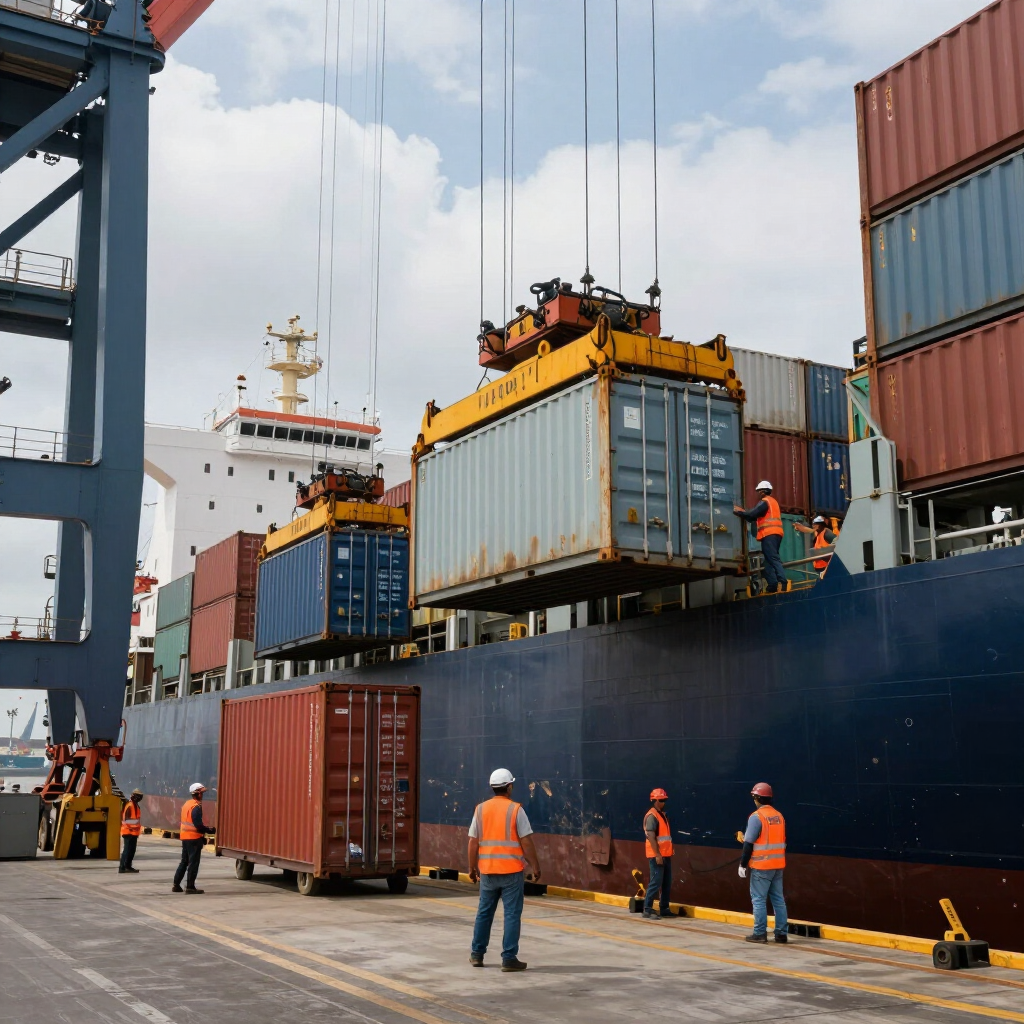
St. Vincent and the Grenadines runs its customs clearance through the Kingstown-based Customs & Excise Department, using the ASYCUDA system for cargo declarations. Once your barrel or shipment arrives, here’s roughly what the process looks like on the ground:
- Your local shipping agent prepares and signs the required documentation, including the Bill of Sight and ASYCUDA waybill.
- The consignee (the person receiving the shipment) presents a National ID Card to the Port Authority to get a Port ID, which is required to enter the port compound.
- Customs staff locate the shipment and bring it to the examination area, where a Customs Officer physically examines and values the contents.
- The Bill of Sight has to be authorized by an Assistant Supervisor or higher before anything moves further.
- Duties are assessed and paid at the Customs Cashier.
- Port charges are paid separately, and a gate pass is issued.
- That gate pass gets handed to the delivery driver, who presents it at the compound to finally release the goods.
None of these steps are unusual by
Caribbean shipping standards, but they add up. If your paperwork is off, missing, or doesn’t match what’s physically in the shipment, you’ll feel it here, not before. This is exactly why working with a freight forwarder who prepares documentation correctly from the Miami side matters as much as the sailing schedule itself.
What documents do you need to ship to St. Vincent?
At minimum, you’ll need a detailed commercial invoice and a shipping manifest that accurately lists what’s in your shipment. On the St. Vincent side, your local agent will need to arrange the Bill of Sight and ASYCUDA waybill, and whoever is collecting the shipment will need valid national identification to obtain a Port ID.
The single biggest mistake we see is a mismatch between what’s declared and what’s actually in the barrel or container. Customs officers physically examine and value shipments at Kingstown, so an inaccurate declaration doesn’t just risk a fine. It risks your shipment sitting in the examination area while the discrepancy gets sorted out, which can turn a two-week wait into a much longer one.
Are there restrictions on what you can ship to St. Vincent?
Yes. Certain goods are restricted or outright prohibited from import, and the specifics can shift depending on the item and current regulations. Rather than publish a list that might be outdated by the time you read it, our advice is straightforward: check with your freight forwarder before you pack anything you’re unsure about. It takes one email, and it’s a lot cheaper than finding out after your shipment has already crossed the ocean.
How much does shipping to St. Vincent cost?
Cost depends on the method (ocean versus air), the weight and volume of your shipment, and whether you’re sending a single barrel or a full household move. Because of that, there’s no single number that applies to everyone, and we’d rather give you an accurate quote than a rough estimate that turns out to be wrong.
What we can tell you is that Bremol offers multiple payment options, including PayPal and Stripe, along with interest-free installment plans. You can also pay upon delivery, which is worth knowing if you’re shipping cargo on behalf of family members who’ll be receiving it at the other end.
Why ship to St. Vincent with Bremol?
A few things set the process apart when you’re working with a forwarder who actually specializes in this route:
Regular, predictable sailings. Consolidated shipments leave Miami for St. Vincent on a regular schedule, so your cargo isn’t waiting around for enough volume to justify a trip.
Online tracking from warehouse to island. You can follow your shipment from our Miami facility all the way to St. Vincent, which matters a lot more once you’ve experienced the alternative: calling repeatedly and hoping someone has an update.
Flexibility for unusual cargo. Between temperature-controlled trailers and hazmat-certified transport, Bremol handles shipments that a lot of general freight forwarders would turn away.
Nearly two decades on this route. We’ve been in the transportation industry since 2004, and clients who’ve worked with us more than once tend to mention the same things: responsive dispatch, fair pricing, and shipments that actually arrive when they’re supposed to.
None of that replaces doing your own homework on documentation and customs requirements, but it does mean you’re not figuring out the Kingstown process alone for the first time.
Frequently asked questions
Does St. Vincent shipping go through Kingstown only?
Kingstown is the primary port of entry for St. Vincent and the Grenadines, and it’s where the vast majority of ocean freight arrives. Onward delivery to the wider Grenadines, including islands like Bequia and Union Island, typically happens after clearance at Kingstown.
Can I track my barrel once it leaves Miami?
Yes. Bremol shipments can be tracked online from the time they leave our Miami warehouse until they arrive in St. Vincent, so you’re not stuck waiting on a phone call for updates.
Do I need to be present to clear my shipment through customs?
The consignee, or someone with authorization on their behalf, needs to present valid national identification to obtain a Port ID and complete clearance at the Port of Kingstown.
What’s the most common shipment sent to St. Vincent?
Barrels packed with clothing, food, and
household essentials are the most common shipment type on this route, largely driven by the Vincentian diaspora sending goods to family on the island.
Is air freight worth the extra cost for a small shipment?
If timing matters more than cost, air freight’s 3 to 5 business day transit is worth it. For anything that isn’t time-sensitive, ocean freight is generally the more economical choice.
Ready to ship to St. Vincent?
Whether you’re sending a single barrel to family or coordinating a full household move, getting the paperwork right from the start is what actually determines how smooth the process feels. Bremol has been running this route since 2004, and we’re happy to walk you through what your specific shipment will need before it ever leaves Miami.